

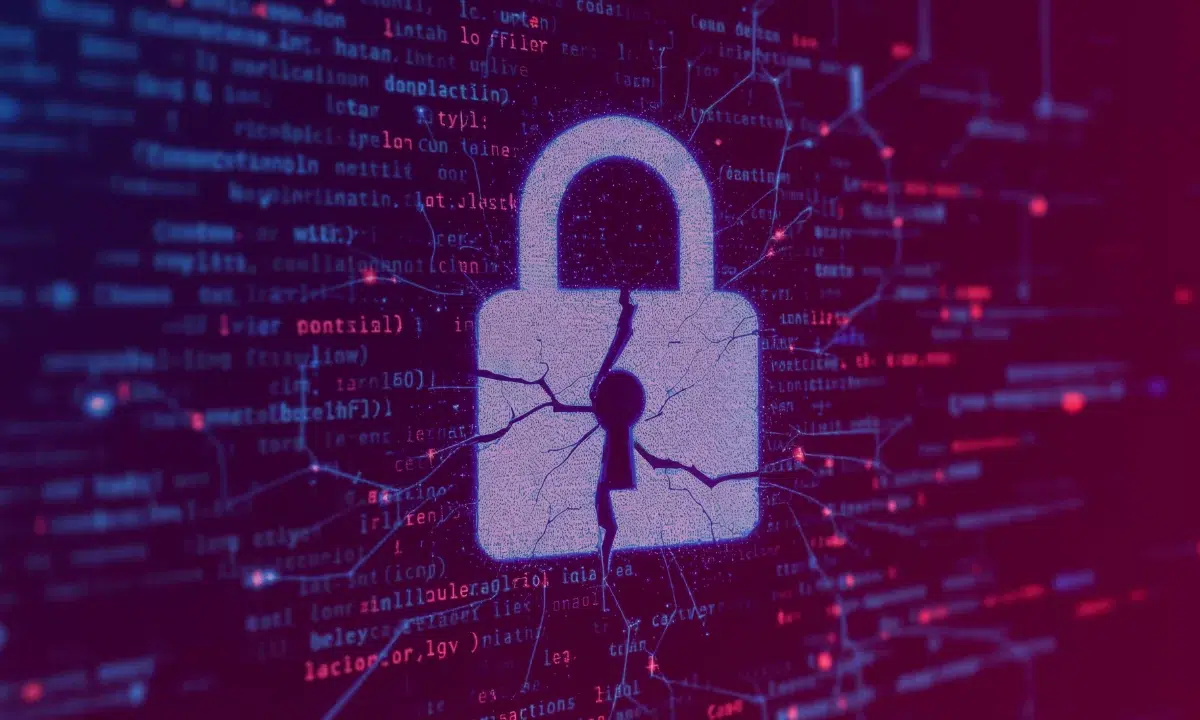
Why Traditional DLP Cannot Stop Visual Data Leaks
Organizations invest heavily in Data Loss Prevention (DLP) technologies to prevent sensitive information from leaving their environment. DLP solutions can monitor data movement, inspect file transfers, enforce policies, and help security teams detect unauthorized sharing across endpoints, networks, and cloud platforms.
However, sensitive information continues to leak. Not because DLP is ineffective, but because many modern data exposures occur outside the channels DLP was designed to monitor. Once information appears on a screen, it enters a different layer of risk that traditional DLP solutions often struggle to address.
This is where visual data leaks emerge as a growing cybersecurity challenge.
Understanding Visual Data Leaks
Not all data leaks occur through file transfers, email attachments, or cloud uploads. In many cases, sensitive information is exposed after it becomes visible to authorized users.
Visual data leaks occur when information displayed on screens, mobile devices, shared sessions, or printed documents is captured or shared without authorization. This may involve screenshots, screen recordings, smartphone photography, printed materials, or other forms of visual capture.
As organizations adopt hybrid work, remote access, and cloud collaboration, protecting information after it becomes visible has become an increasingly important part of modern cybersecurity strategies.
The Visibility Gap in Traditional DLP
Traditional DLP is designed to protect data in motion, data at rest, and, in some cases, data in use. It can identify sensitive content moving through email, cloud applications, removable media, web uploads, and file transfers, making it highly effective when information follows predictable digital pathways.
However, DLP visibility often diminishes once sensitive information becomes visually accessible to a user. When data is displayed on a screen, security teams have far less visibility into how that information may be captured or shared.
A screenshot, mobile phone photograph, printed document, or screen recording can expose sensitive information without triggering traditional data transfer controls. As organizations increasingly rely on hybrid work, cloud collaboration, virtual desktops, and mobile business applications, these forms of visual exposure continue to grow.
This creates a security gap where information remains protected by access controls and DLP policies, yet can still be captured once it becomes visible to users. The challenge is no longer data movement, it is data visibility.
Why DLP Alone Is No Longer Enough
This does not mean organizations should replace DLP. However, relying exclusively on DLP leaves organizations exposed to risks that occur at the visibility layer.
A comprehensive data protection strategy should address:
- Data at rest
- Data in transit
- Data in use
- Data in View
Without controls for Data in View, organizations may continue investing in traditional security technologies while leaving one of the most exposed layers of information unprotected.
Without controls for Data in View, organizations may continue investing in traditional security technologies while leaving one of the most exposed layers of information unprotected.
Traditional DLP vs. Visual Data Security
| Traditional DLP | Visual Data Security |
| Protects where data moves | Protects where data is seen |
| Focuses on files and transfers | Focuses on screens and visibility |
| Detects data exfiltration | Deters visual capture |
| Monitors digital channels | Addresses visual exposure risks |
Traditional DLP and Visual Data Security are complementary technologies. While DLP helps organizations control how data is stored, transferred, and shared, Visual Data Security helps protect sensitive information once it becomes visible to users. Together, they provide broader coverage across the modern data lifecycle.
Stop visual data leaks with Visual Data Security
Visual Data Security addresses risks that emerge once information becomes visible to users.
Rather than focusing solely on access and movement, Visual Data Security technologies help organizations protect Data in View. Common approaches include:
- Dynamic screen watermarking
- Mobile screen watermarking
- Screenshot prevention
- Print traceability
- User attribution and accountability controls
These technologies help organizations deter unauthorized capture, increase accountability, and strengthen protection against visual data leaks.
By extending security beyond traditional access controls, organizations can reduce exposure associated with screenshots, photography, screen recording, and other forms of visual capture.
Frequently Asked Questions ( FAQs)
A visual data leak occurs when sensitive information is exposed through screenshots, screen recordings, photographs, printed documents, or other forms of visual capture rather than traditional digital transfer methods.
Some DLP platforms provide limited screenshot controls, but traditional DLP solutions are primarily designed to monitor data movement rather than visual exposure. Organizations often use dedicated Visual Data Security technologies for stronger protection.
Organizations can reduce visual data leaks through technologies such as screen watermarking, screenshot prevention, print traceability, mobile watermarking, and other Visual Data Security controls that increase accountability and deter unauthorized capture.




1 Comment
5 Real-World Visual Data Exposure Scenarios
21 August, 2026[…] is why visual data security should complement rather than replace DLP. The objective is to add deterrence, accountability, traceability, and policy enforcement around […]